

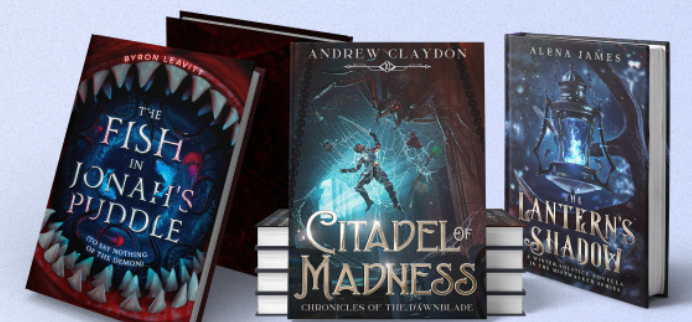
A book cover grabs the audience’s attention, creates the first impression, and encourages readers to buy your story. That’s why it’s essential to invest in it.
When choosing a cover design, keep two things in mind.
First, adhere to genre standards to signal to potential readers that your book is what they seek. Second, follow design trends to ensure your cover meets the market requirements.
Today, we want to share 10 book cover design trends coming in 2026. Be ready to see some eye-catching examples and get motivated!
How to predict future book cover design trends?
Predicting the future is difficult, but we will try. So, what book cover design trends await us in 2026?
First, book cover trends are more or less stable and permanent. After all, the industry has established rules on what a marketable book cover should look like. It often does not make sense to reinvent the wheel. The main thing is to ensure that your book cover looks professional and harmonious, meeting the genre standards.
So we started by analyzing the past year’s trends and bestselling books to understand the secret to those covers’ success.
In 2025, book design was characterized by maximalism, bold typography, nostalgic revival, abstract art, and others. Most of these trends are effective and timeless, so we have seen them even over the past few years.
Then, we looked into general graphic design trends. Finally, we have analyzed the covers of the most anticipated books of 2026. Some have already had over 10,000 people add them to their wishlists. Their covers also played a role in this hype, don’t you agree?
What are the top 10 book cover design trends in 2026?
Now, it’s time to get into practice, explore the upcoming trends, and see some striking examples. Perhaps some of them will guide you on what cover design your new story needs.
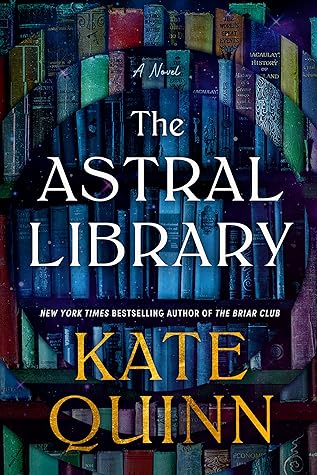
1. Geometry as a visual anchor
Clean lines, bold shapes, and repeating forms are taking center stage. In this trend, geometry becomes a structural element that organizes the entire cover.
Circles, frames, grids, and layered shapes help guide the eye and create a strong sense of balance and focus. They can suggest order, mystery, connection, or fragmentation, depending on how they’re used. Paired with limited color palettes or striking contrasts, geometric layouts feel modern, confident, and instantly recognizable.
This approach works especially well for covers that need to feel conceptual and smart, while still remaining visually clear at any size.
Genres: Contemporary Fiction, Mystery, Speculative Fiction.
 |
 |
 |
| Source | Source | Miblart |
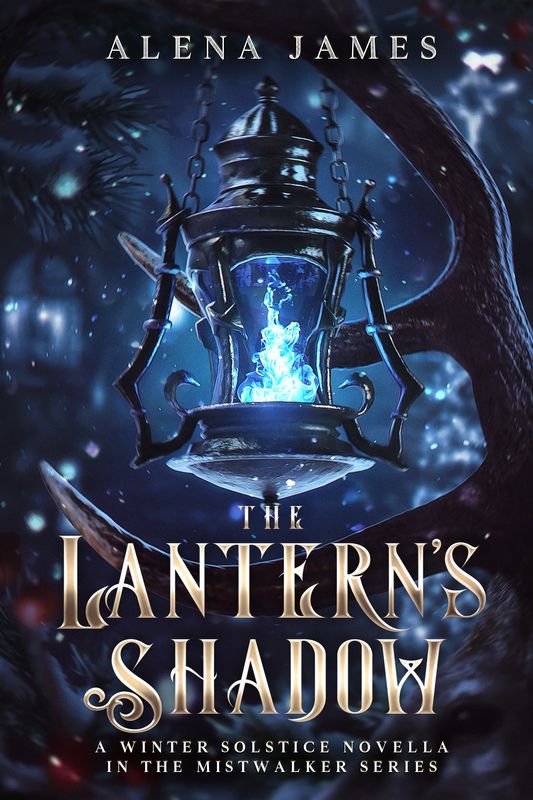
2. Eye-catching in thumbnails, stunning up close
Book designers have a new mission: make covers pop as tiny thumbnails while still wowing readers up close. On a phone screen, the cover keeps it simple, sleek, and super clickable.
But to zoom in, readers spot clever textures, hidden details, and maybe even a sneaky little message tucked into the design.
Genres: Fantasy, Romance, Mystery.
 |
 |
 |
| Source | Source | Miblart |
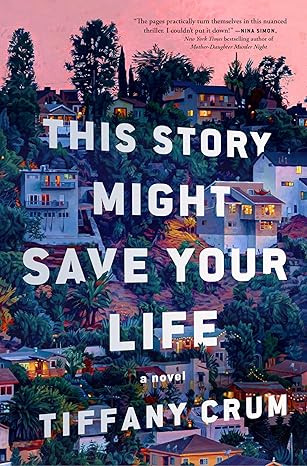
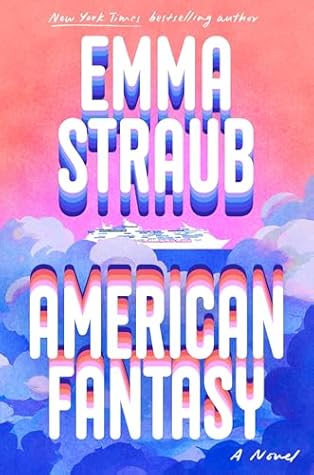
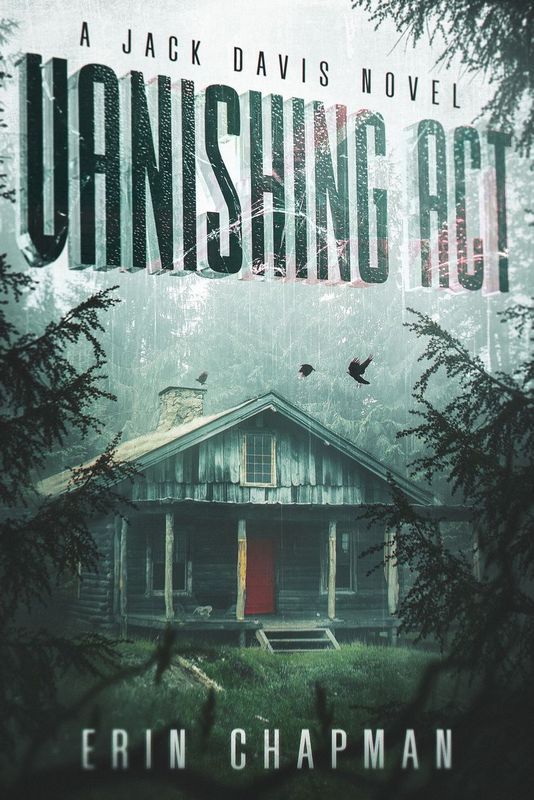
3. Typography as part of the story
Typography is no longer treated as a separate layer placed over an image. In this trend, lettering becomes part of the visual story, interacting with backgrounds, objects, and textures on the cover.
Designers experiment with placement, depth, and subtle effects. Type may be partially hidden, stretched, glowing, dripping, or seamlessly woven into the scene. This creates a stronger atmosphere and instantly signals mood, tension, or emotional depth.
Genres: Literary Fiction, Thriller, Contemporary Fiction.
 |
 |
 |
| Source | Source | Miblart |
4. Covers that feel like real works of art
This trend embraces imagery inspired by fine art: painterly textures, expressive brushstrokes, and compositions that feel handcrafted rather than digitally polished.
Instead of chasing realism, these covers lean into emotion, atmosphere, and symbolism. The artwork feels timeless, intimate, and often slightly imperfect, which makes it more human and memorable. Such covers invite readers to pause, look closer, and feel something before they even read the blurb.
This approach works beautifully for stories that value depth, reflection, and literary weight, where the cover sets the emotional tone rather than explains the plot.
Genres: Romance, Contemporary Fiction, Historical Fiction, Non-fiction.
 |
 |
 |
| Source | Source | Source |
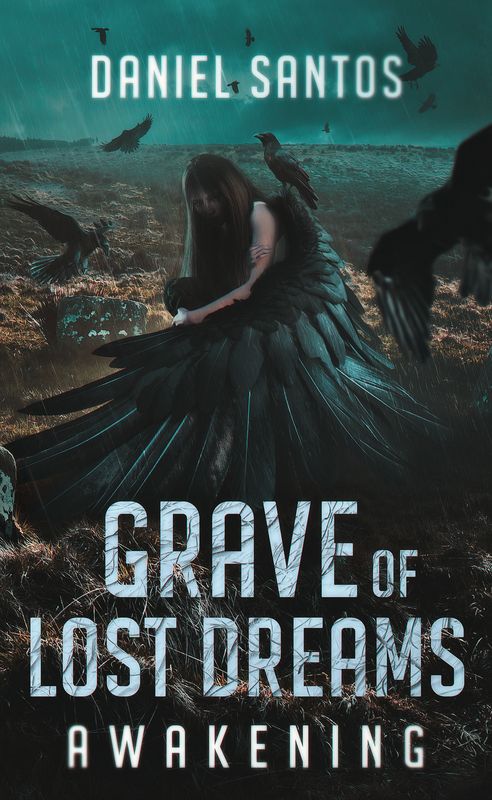
5. Gothic imagery and atmosphere
Gothic-inspired book covers include ornate details, moody color palettes, and imagery like towering cathedrals, ravens, or moonlit landscapes. All these elements set the tone for an atmospheric read.
These covers capture a sense of elegance mixed with foreboding, pulling readers into stories filled with intrigue and shadowy secrets.
Genres: Gothic Fiction, Dark Fantasy, Horror.
 |
 |
 |
| Source | Miblart | Miblart |
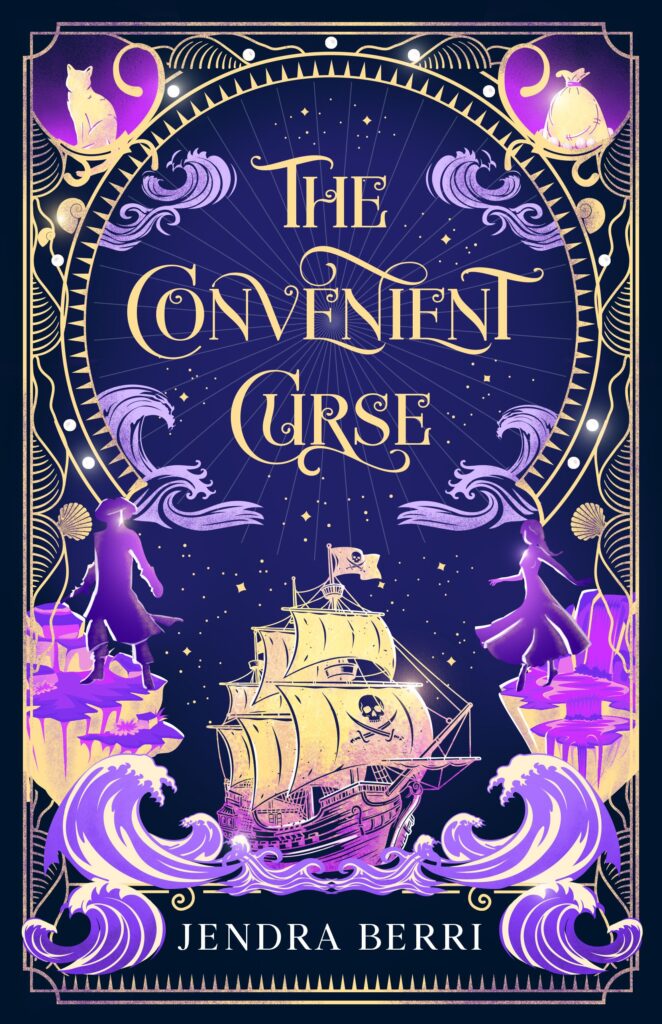
6. Visual worlds built layer by layer
These covers reward curious readers. At first glance, they feel rich and atmospheric—but up close, they reveal layers of intricate details, ornaments, symbols, and storytelling elements woven into the design.
Illustrations are dense and intentional: borders, patterns, hidden motifs, and carefully crafted scenes all work together to build a complete visual world. Every element feels placed with purpose, inviting readers to slow down, explore, and discover something new each time they look.
Genres: Fantasy, Mythology-inspired Fiction, Cozy Fantasy, Epic Adventure.
 |
 |
 |
|
Miblart |
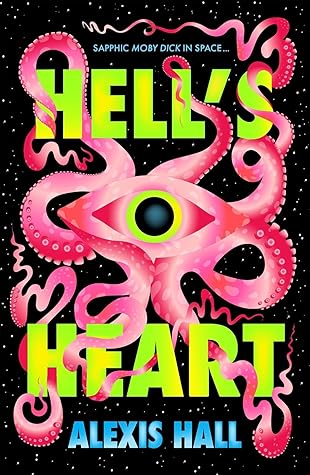
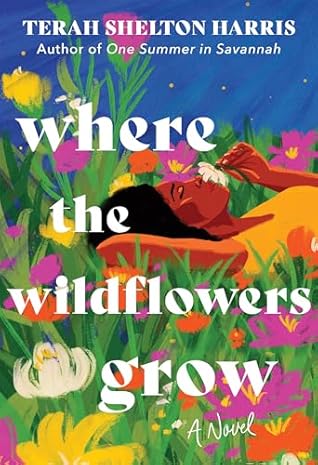
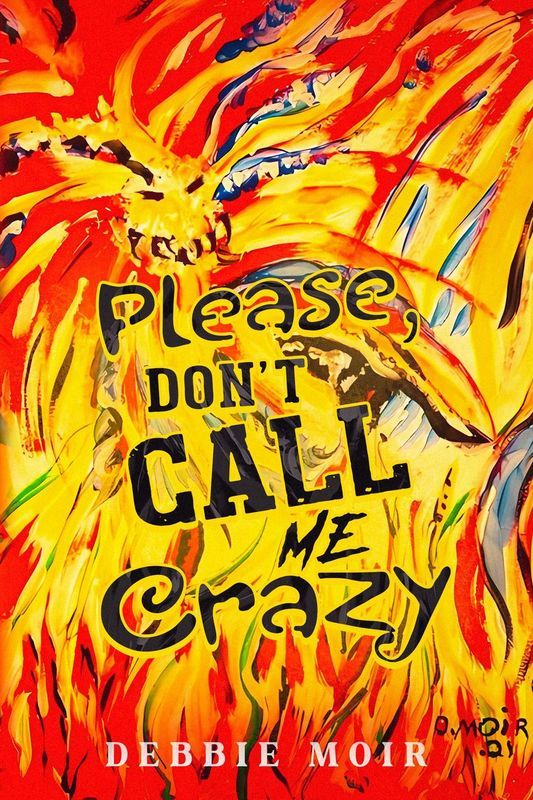
7. Explosive colors that demand attention
Muted palettes are stepping aside as high-contrast colors take over book covers. This trend is all about fearless combinations — neon accents, saturated hues, and unexpected color pairings that instantly catch the eye.
Bright colors are used not just for impact, but to amplify emotion and energy. They signal joy, intensity, passion, or chaos, depending on the story, and make the cover impossible to scroll past. Even playful or surreal color choices feel intentional, expressive, and modern.
Genres: Romance, Contemporary Fiction, Young Adult.
 |
 |
 |
|
Miblart |
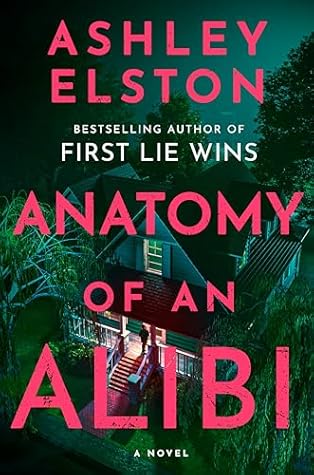
8. Bold typography on monochrome backgrounds
Sometimes less really is more. This trend strips covers down to a single dominant color and lets bold, confident typography do all the work.
With minimal imagery and strong contrast, the title becomes the main visual hook. Large letterforms, clean layouts, and carefully chosen typefaces make these covers instantly readable—even from across a bookstore or as tiny thumbnails online. The simplicity feels intentional, modern, and powerful.
Genres: Literary Fiction, Thriller, Mystery, Non-fiction.
 |
 |
 |
|
Miblart |
Are you curious about choosing the right typography for your book cover? Dive into our blog post with effective tips on selecting fonts.
9. Discreet covers with bold palettes
Discreet covers keep things clean and simple but bring in vibrant colors to make a statement. These designs use just one or two striking shades against neutral backgrounds, creating a perfect balance of subtlety and impact.
It’s all about letting a single bold element, like a vivid color or a small, symbolic image, do the talking. These covers intrigue without giving too much away.
Genres: Mystery, Literary Fiction, Contemporary Fiction.
 |
 |
 |
|
Miblart |
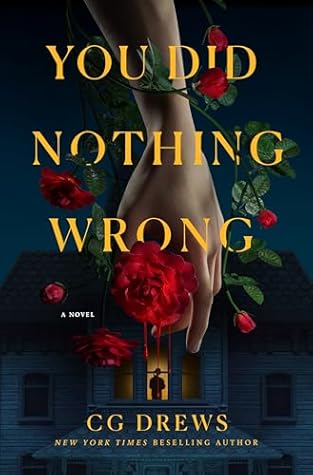
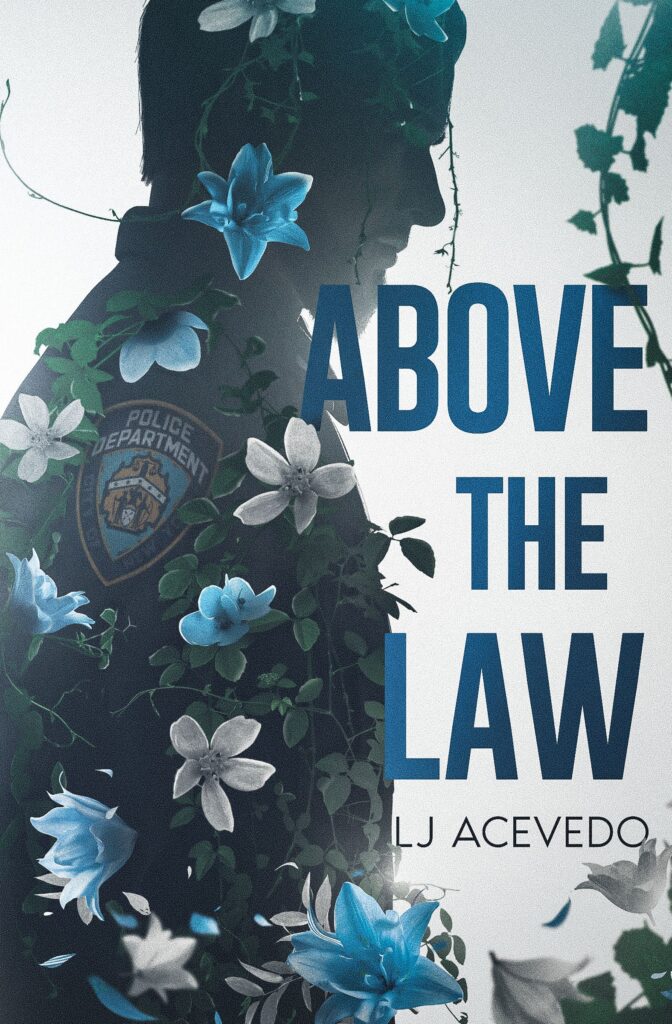
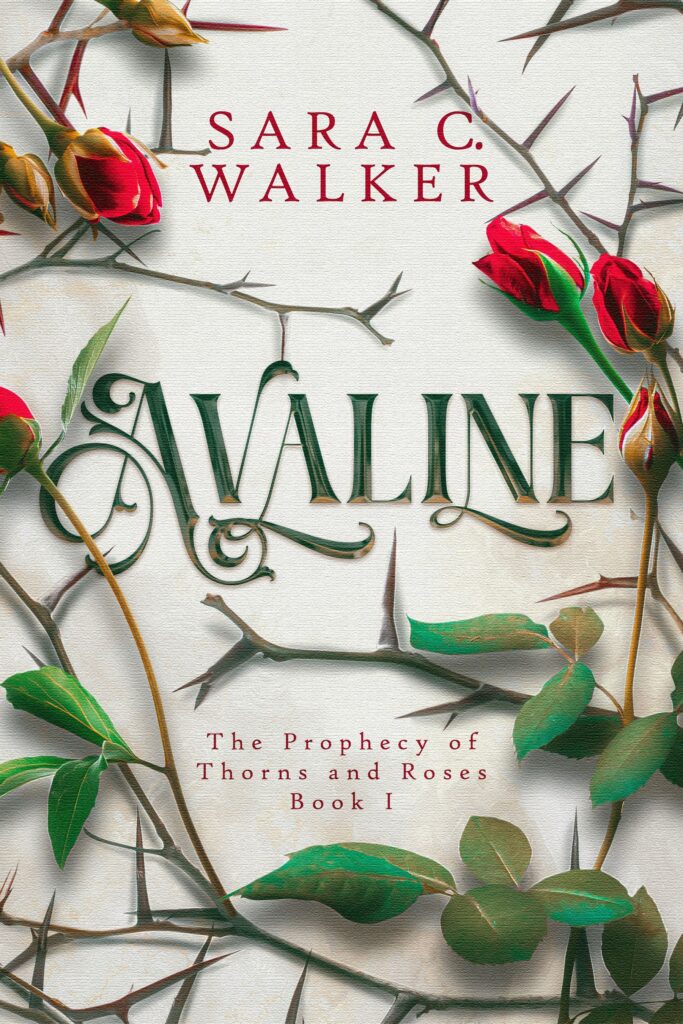
10. Flowery and botanical motifs
This trend has stayed relevant for many years; however, designers implement it differently each time.
In addition to the classic decoration of the book title with flowers and plants, we can see how the designers use botanical motifs to play with the main character’s appearance.
Genre: Romance, Young Adult, Fantasy.
 |
 |
 |
|
Miblart |
Miblart |
Summing up book cover design trends
We hope you got a dose of inspiration for your new book cover. Let’s recap what creative and extraordinary book cover design trends await us in 2026.
- Geometry as a visual anchor
- Eye-catching in thumbnails, stunning up close
- Typography as part of the story
- Covers that feel like real works of art
- Gothic imagery and atmosphere
- Visual worlds built layer by layer
- Explosive colors that demand attention
- Bold typography on monochrome backgrounds
- Discreet covers with bold palettes
- Flowery and botanical motifs
However, trends are not obligatory rules. They can inspire you or help you find a direction to move. It’s essential to design a book cover that aligns with your genre standards and target audience.
What book cover trend do you like the most? Share your opinions in the comments below.
Source: 10 Book Cover Design Trends that Await Us in 2026 | MIBLART
