From AR packaging to VR pop-ups, the physical and digital worlds have never been more connected.
Phygital. Yes, it’s a word. And however clunky in meaning and awkward to say, it’s not going away. Coined somewhere in the fog of marketing brainstorms past, “phygital” refers to any design that blends the physical and the digital — AR packaging, VR pop-ups, immersive storefronts, you name it. In 2025, it’s no longer just a buzzy portmanteau. It’s the blueprint behind some of the smartest, most engaging brand experiences out there (and it’s getting support from some legislative muscle too).
Imagine walking into a store and seeing a cake box that talks back. Or a deodorant can that launches a video game. Or a mirror that shows you how that jacket actually looks from behind. That’s phygital, and it’s already changing how we shop, play, and design.
“We’re not talking about gimmicks anymore,” says Caspar Thykier, cofounder and CEO of Zappar, a UK-based computer vision company that’s helped everyone from Betty Crocker to Lynx turn packaging into portals. “Phygital design is about relevance. About turning passive moments into interactive ones.”
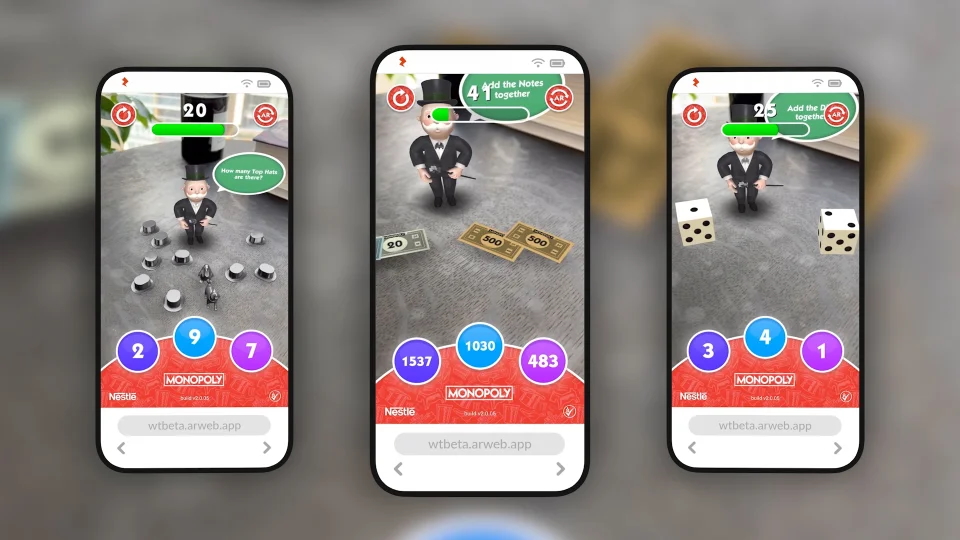
UK-based computer vision company Zappar specialises in interactive experiences (Image credit: Zappar)
From Crisis to Catalyst
The pandemic forced a lot of British retailers to go phygital fast. Liberty London — a 150-year-old fashion temple — started offering virtual consultations in everything from lipstick to linen. One-to-one styling appointments moved to Zoom. The result? A surprisingly warm, human experience powered by pixels.
Phygital offered an answer. You didn’t have to choose between old-school elegance and digital utility — you could have both.
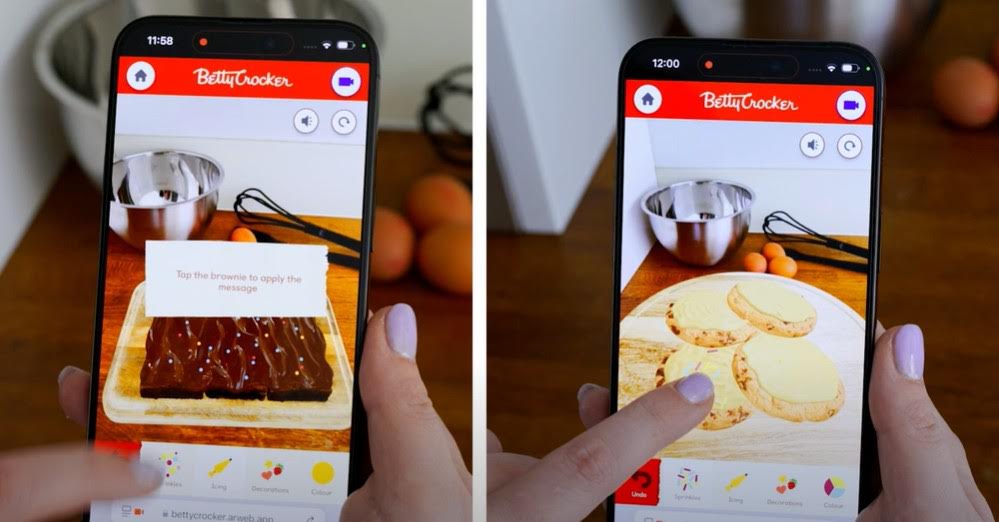
Betty Crocker’s new AI functionality (Image credit: Betty Crocker)
What’s wild is that now, none of this requires an app. It all worked through the mobile browser—a form of AR called WebAR that’s fast becoming the default for brands who don’t want customers bailing at the App Store.
“Every second of friction costs you,” says Thykier. “So it has to be instant. Tap, scan, play.”
In practice this means that a simple tap creates an experience that can reach large audiences, while still using the same creative assets that might also power a full AR app or VR environment behind the scenes.
Take baking brand Betty Crocker. In a recent Zappar campaign, the brand added AR functionality to its packaging. Point your phone at the box and—bam—you get an on-box tutorial not only of step-by-step baking instructions, videos, voiceovers but also play areas to have fun designing and pimping your cake. The cake mix is now content.